
by striveabaconsultants | Jun 10, 2026 | ABA Therapy
Quick Answer: ABA therapy at school works best when strategies are carried over consistently between therapy and the classroom. The goal is to align priorities, reinforcement, and communication so your child experiences clear expectations across environments....

by striveabaconsultants | Jun 10, 2026 | ABA Therapy
Quick Answer: ABA program adjustments are ongoing changes to goals, strategies, and reinforcement based on data. When those adjustments do not happen consistently, progress can slow or stall. In many cases, the issue is not just a child’s ability. It is that the...

by striveabaconsultants | Jun 10, 2026 | ABA Therapy
Quick Answer: After an ABA assessment, therapy usually does not start immediately. The process typically moves through reviewing results, insurance approval, treatment planning, and scheduling before services begin. This is the point where many families feel stuck....

by striveabaconsultants | Jun 3, 2026 | ABA Therapy
Quick Answer: ABA therapy progress usually follows phases rather than producing immediate, dramatic results. The first month often centers on building rapport and routines, around 3 months early skill gains may start to show, by 6 months changes are often easier to...

by striveabaconsultants | Jun 3, 2026 | ABA Therapy
Quick Answer: ABA, speech, and occupational therapy work best when providers align goals, communication approaches, and reinforcement strategies. Without that alignment, therapies can pull in different directions, slowing progress and creating frustration for the...

by striveabaconsultants | Jun 3, 2026 | ABA Therapy
Quick Answer: Emotional regulation challenges in autism are often more than “behavior problems.” They can reflect gaps in recognizing, expressing, and coping with emotions. ABA therapy can support emotional regulation by teaching these skills step by step through...

by striveabaconsultants | Jun 3, 2026 | ABA Therapy
Quick Answer: ABA therapy progress often slows when consistency, goal clarity, and real-life skill use are not aligned. In many cases, the issue is not ABA itself but how the program is being carried out day to day. Introduction It is common for families to reach a...
by striveabaconsultants | May 27, 2026 | ABA Therapy
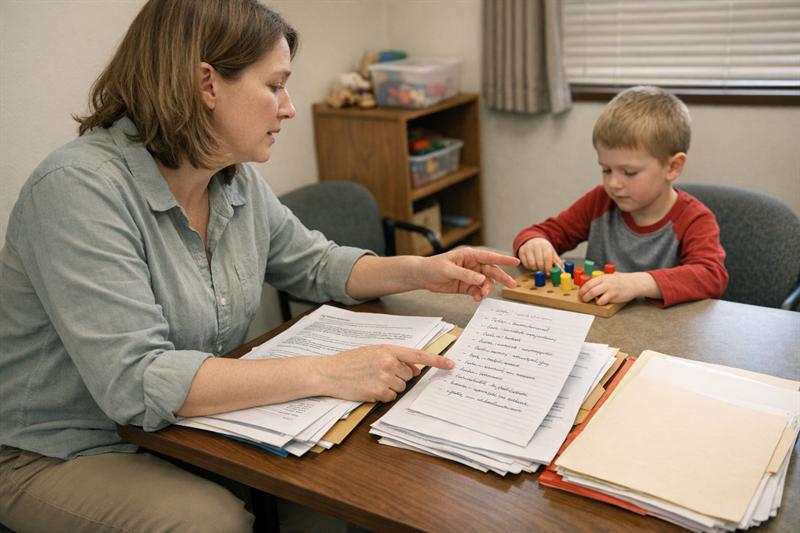
Quick Answer: A first ABA consultation helps the provider understand your child’s behavior, communication, and daily routines so they can recommend clear next steps. Many families arrive unsure of what to bring or what to ask, which can leave out useful details and...

by striveabaconsultants | May 27, 2026 | ABA Therapy
Quick Answer: ABA therapy is usually moving in the right direction when you can identify measurable changes in behavior, engagement, or skill development, even if those changes are small at first. Early progress is often subtle, such as longer attention, less intense...
by striveabaconsultants | May 27, 2026 | ABA Therapy
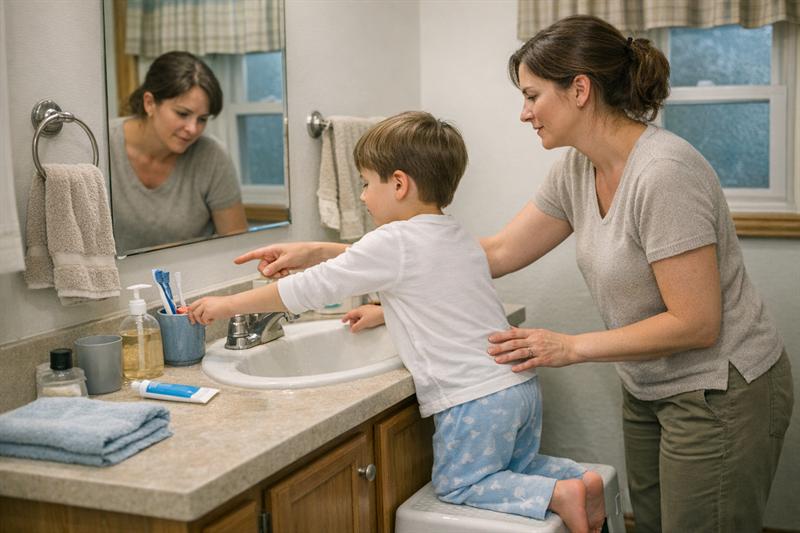
Quick Answer: ABA daily living skills focus on teaching children how to complete real-life tasks with increasing independence, not just reducing behaviors. When therapy does not directly target these functional skills, children may still struggle with routines,...